
How Grant Gee made Everybody Digs BILL EVANS
I first became aware of Bill Evans as a photograph. A photograph by Lee Friedlander (captioned as 1961 but probably 1962). A pianist is sat at a piano in the foreground, center frame and facing us. Two other musicians are just behind, framing him. These two are younger and having a ball, laughing like they can’t believe their luck. The pianist, who at first glance is an Ivy League Mid-Century jazz dream is, at second glance, looking like he’s seen a ghost.
The photograph made me want to find out what kind of music was made by the man who’d seen a ghost. When I heard that music, I was gone. Couldn’t believe the …lightness, I guess. My dad listened to a lot of Oscar Peterson and Errol Garner and what I heard reminded me of that, but Bill’s music just had some kind of space, light and lightness which I’d never heard before. It made – still makes - normal life feel kind of galumphing.
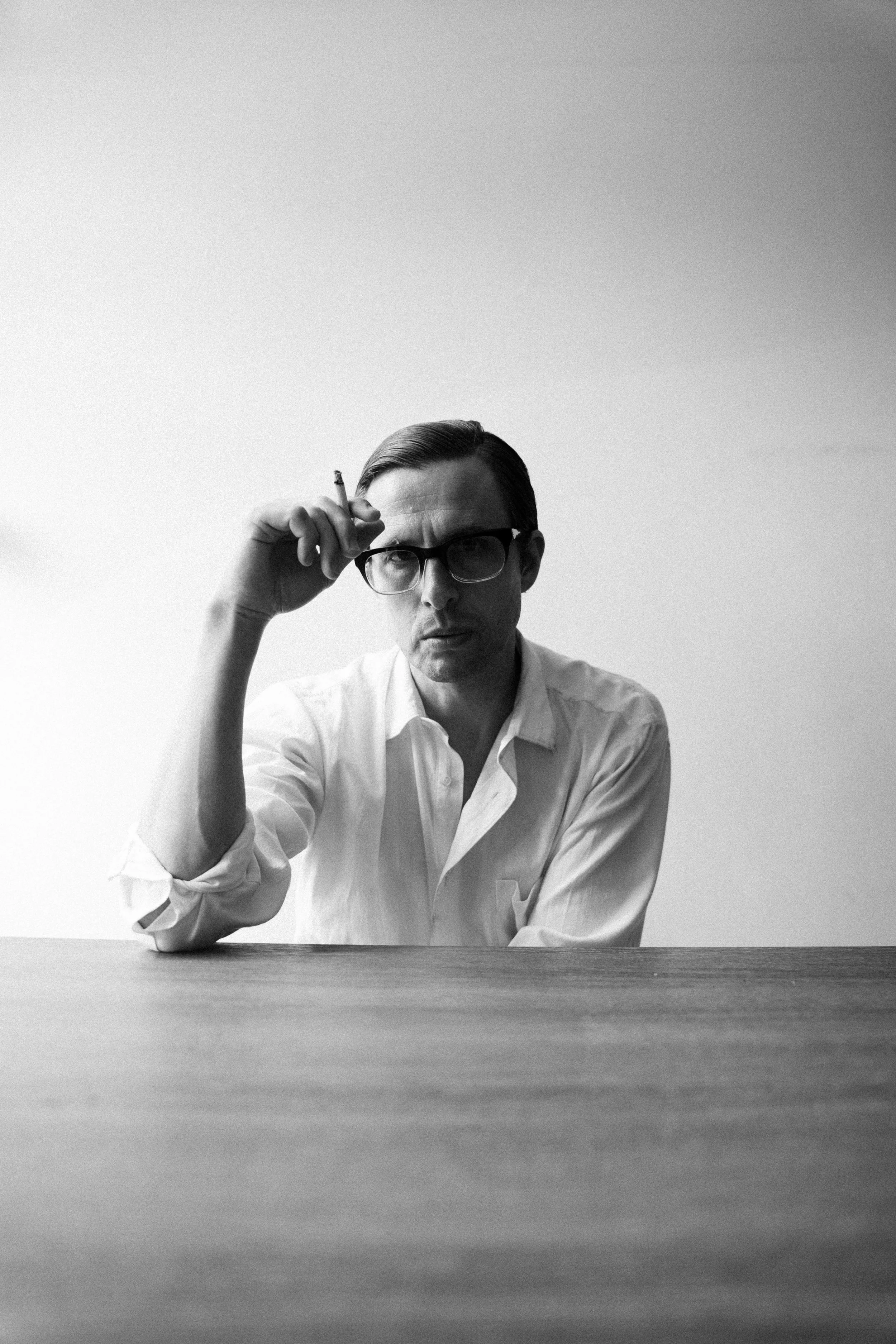
Anders Danielsen Lie as Bill Evans
I began to read what else I could about Evans’ life. There wasn’t much at the time, and the principal source is still Peter Pettinger’s biography How My Heart Sings. The basic shock in the reading was learning of the chaotic, catastrophic life that surrounded Evans light, hyper-precise music: somehow, through all the catastrophes and chemicals, Evans seemed to have remained a humble, thoughtful, musically disciplined and decent character. Kind of ‘straight’. He was a very good golfer.
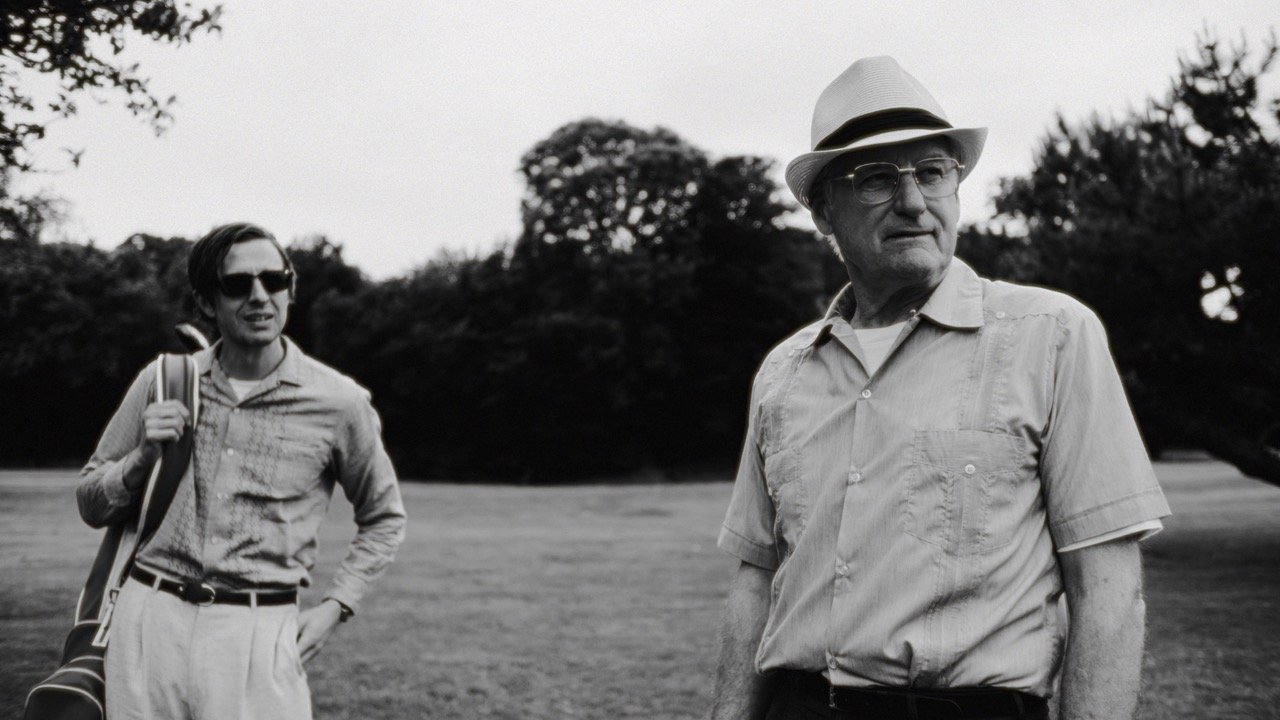
Anders Danielsen Lie and Bill Pullman as Bill and Frank Evans
My producer Janine Marmot suggested that I watch Anders Danielsen Lie’s films with a view to approaching him to play Bill. In Joachim Trier’s Reprise he was quiet, intense and great. He also played a character with a heroin habit who plays the piano very well. This was a very good start. Then we saw him in Bergman Island where he played an American, with no trace of a Norwegian accent. Even better! When we finally met, the very first thing ADL told me was how important Bill Evans had been to him throughout his life – from listening to his parents’ album of Evans recordings with Monica Zetterlund to making transcriptions of Evans’ solos to try and understand the musician. It really wasn’t possible not to offer him the role.
From the very beginning I envisaged that the adaptation would still principally be set in 1961, in the family-centric world of Intermission, but with eruptive, flash-forwards to moments from ‘the catastrophes’ in the 70’s. 1961 would be black and white – like Cassavetes’ Shadows - and The Future would be in colour and look like an episode of Kojak. These basic thoughts about the film’s form remained while just about everything else changed.
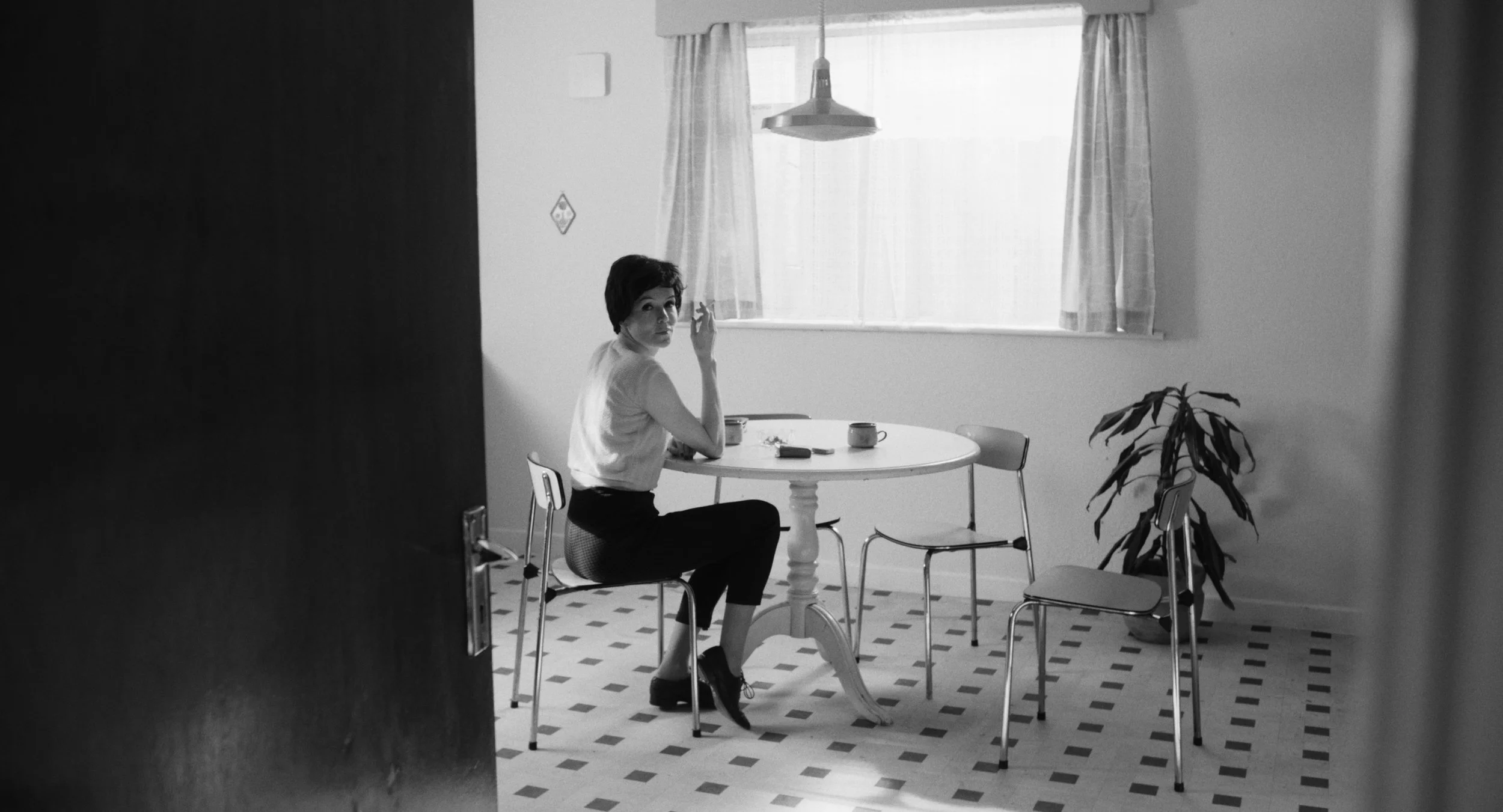
Valene Kane as Ellaine Schultz
About the actors the only statement is that everybody gave performances that – in precision and emotional intensity – exceeded everything I was imagining. Hardly anything went beyond three takes, and a fair few number of scenes were done with just one or two takes.
Editor Adam Biskupski was thrilled with the look of and the emotion in the rushes he was given and over the course of the edit devised cutting patterns between scenes and between eras that, again, far exceeded what I’d been able to imagine alone.
Given what’s known of Evans’ biography – a ‘happy ending’ to the film seemed an absurdity, but three things made it start to seem less absurd: His own lack of self-pity, the simple/complex beauty and joy in his art right to the end of his life, and his 13-year relationship with Ellaine Schultz.
From the Production Notes for Everybody Digs Bill Evans